
A new book reveals that India and Pakistan discussed a communal division of Jammu & Kashmir along the Chenab river before the Kargil war in 1999.

India's recent missile strikes on nine terrorist locations in Pakistan and Pakistan-occupied Kashmir (PoK), including Bahawalpur, mark a significant escalation in the long-standing military tensions between the two nations. This article provides a historical overview of the Indo-Pak military confrontations, tracing their roots back to the 1947 war following India's independence and the partition of the sub-continent, and highlighting key conflicts such as the 1965 war, the 1971 Bangladesh Liberation War, the 1999 Kargil War, the 2016 Uri attack, and the 2019 Pulwama attack.
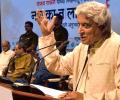
Akhtar criticised vested interest groups in Pakistan, particularly the army, the political establishment and the extreme right wing, for blocking peace efforts between the two nations.

After his failed misadventure in Kargil, Musharraf deposed the then Prime Minister Sharif in a bloodless coup in 1999 and ruled Pakistan from 1999 to 2008 in various positions.

India, Pakistan and the United States were facing the shared challenge of combating terrorism, a top American official said on Wednesday as he pressed Islamabad to 'move forward' from the 'complicated history' with New Delhi to take on the 'common enemy.'

Modi flagged off the first batch of pilgrims led by Akal Takhat Jathedar Giani Harpreet Singh to Gurdwara Darbar Sahib through the corridor, which was thrown open days ahead of the 550th birth anniversary of Guru Nanak Dev on November 12.
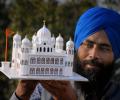
The construction of the Dera Baba Nanak-Kartarpur Sahib corridor across the India-Pakistan border has been likened to the fall of the Berlin Wall by Prime Minister Narendra Modi. Here's why the corridor is important.

Sushma Swaraj's suave moves helped Narendra Modi pull off a diplomatic coup, helping regain her standing.
